4 Things You Should Be Able to Do Before You Start Running

Running can be an amazing way to improve your health, boost your mood, and increase your endurance. But one of the biggest mistakes people make is jumping into running before their body is truly ready for the impact and demands it places on the joints, muscles, and core.
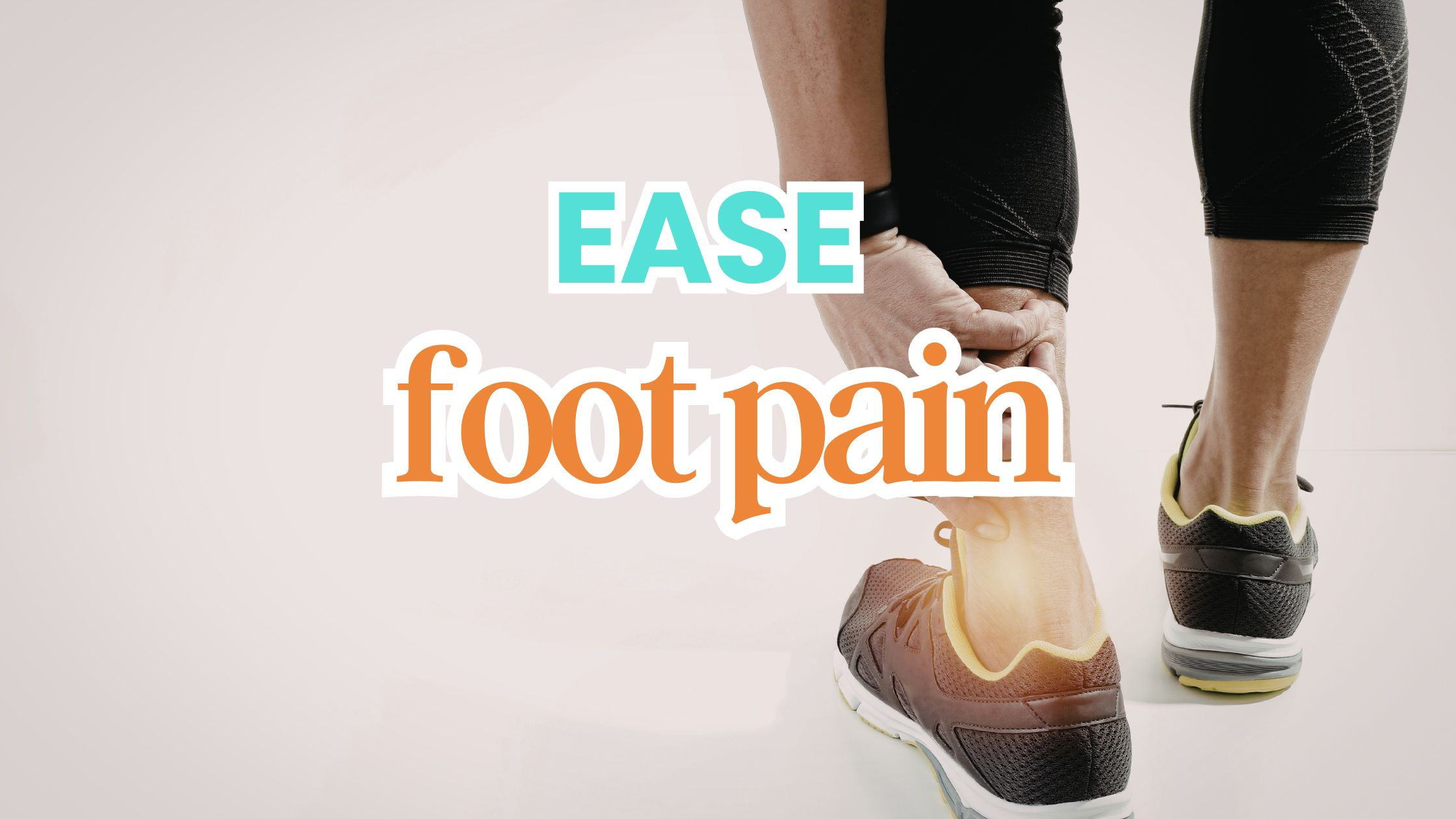
So many people decide they want to “get in shape” and immediately start running, only to end up dealing with plantar fasciitis, knee pain, hip discomfort, or low back issues a few weeks later.
The problem is not necessarily running itself. The problem is often a lack of foundational strength and stability.
Before you lace up your shoes and head out for a jog, here are four things your body should be able to do comfortably to help reduce your risk of pain and injury.
1. Balance on One Foot for 30 Seconds
Running is essentially a series of single-leg balances. Every step requires your body to stabilize on one leg before transferring weight to the other side.
If your feet and ankles are weak, your body may struggle to absorb force properly during a run.
A simple test:
- Stand barefoot on one foot
- Hold your balance for at least 30 seconds
- Repeat on the other side
Try this without shoes because shoes can provide extra support and hide weaknesses in your feet and ankles.
If balancing feels difficult, wobbly, or unstable, it may be a sign that your feet and ankle stabilizers need strengthening before you begin running regularly.
Strong feet create a stronger foundation for your entire body. Strengthen your feet by joining our community.
2. Shift Weight Without Your Hips Dropping or Hiking
When you run, there is a brief moment where your body is fully supported by one leg. Your hips and glutes must stabilize your pelvis during that transition.
Try this test:
- Stand on one leg
- Slowly shift your weight side to side
- Watch what happens at your hips
Do your hips sink down on one side?
Do they hike up excessively?
If so, your glutes and hip stabilizers may not be strong enough yet.
Poor hip control during running can contribute to:
- Hip pain
- Knee pain
- Foot discomfort
- Low back tension
Learning to stabilize through the hips can help improve running mechanics and reduce unnecessary stress throughout the body.
3. Squat Without Your Knees Collapsing Inward
Your squat pattern can tell you a lot about how your body may move while running.
Try a few bodyweight squats and pay attention to your knees.
Do they fall inward as you lower down or stand back up?
If your knees collapse inward during a squat, there is a good chance the same thing will happen while jogging or running. Over time, this can place extra stress on the knees, hips, and feet.
Focus on keeping your knees aligned with your toes as you squat.
This movement requires coordination between:
- Glutes
- Hips
- Core
- Feet
Improving your squat mechanics can help create better alignment and control when you run.
4. Maintain Core Pressure Without “Bread Loafing”
Your core plays a major role in running, posture, breathing, and pelvic floor support.
One important thing to watch for is something often called “bread loafing” or doming of the abdomen.
You can test this by:
- Holding a plank
- Performing a crunch or sit-up
- Watching what happens through your belly
If you notice a ridge, pooching, or bulging through the center of your abdomen, it may indicate that you are struggling to manage pressure effectively through your core.
When pressure is not controlled well, running can increase downward pressure through the pelvic floor. This may contribute to:
- Pelvic floor dysfunction
- Low belly pressure
- Urinary leakage
- Core weakness
- Low back discomfort
Before starting a running routine, it is important to develop strong breathing mechanics and deep core support.
Build Your Foundation First
Running is high impact, and your body needs a solid foundation before increasing mileage or intensity.
Before you begin running regularly, make sure you are building:
- Strong feet and ankles
- Stable hips and glutes
- Proper knee alignment
- Good core and breathing mechanics
If you can comfortably perform these four tests, you are likely in a much better place to begin with short, easy jogs and gradually increase your time or distance.
Remember, getting in shape does not have to mean jumping into intense workouts right away. Building strength, stability, and body awareness first can help you move better, feel better, and avoid setbacks along the way.