The Midlife Aging Shift: What Happens at 44 (and What You Can Do About It)
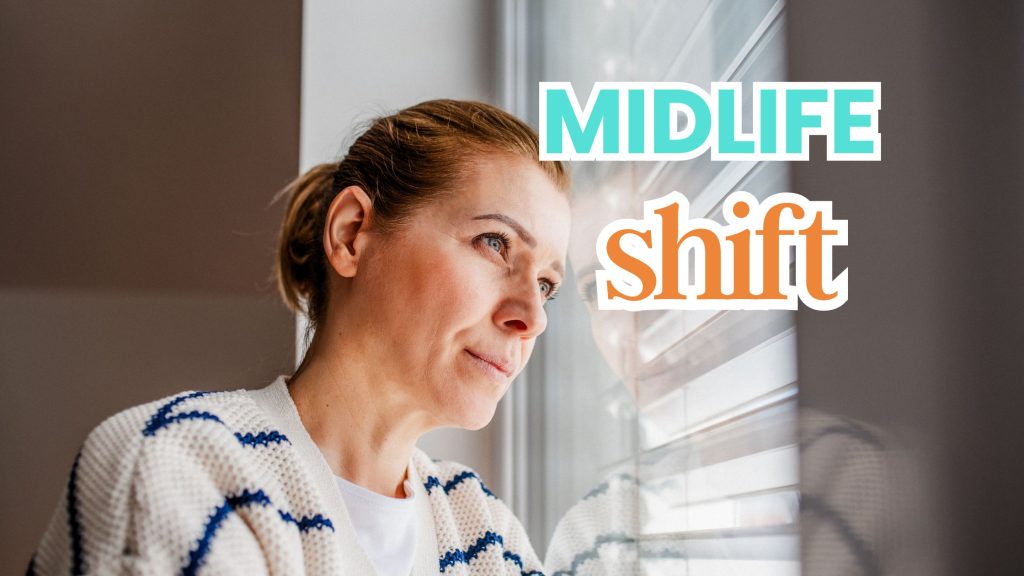
There’s something powerful about understanding why your body starts to feel different in midlife. Because when you realize it’s not just “you,” it becomes a whole lot easier to respond with intention instead of frustration. Welcome to the Midlife Shift.
Recently, I came across a fascinating study published in Nature Aging that explored how we age and what it found might completely change the way you think about midlife.
Let’s dive in.
The Surprising Truth About How We Age
Most of us assume aging happens gradually over time.
A slow, steady decline.
But this study suggests something very different.
Researchers followed 150 adults (ages 25–75) over several years, analyzing over 135,000 molecules, including proteins, RNA, metabolites, and microbes from the gut and skin.
What they found?
Aging doesn’t happen in a straight line.
Instead, it happens in two major waves:
- Around age 44
- Around age 60
At these points, the body experiences significant midlife shift in key systems not subtle changes, but noticeable internal transitions.
And if you’re in your 40s, this likely explains a lot.
What Changes in Your Mid-40s?
The first wave (around 44) impacts:
- Cardiovascular health markers
- How your body processes caffeine and alcohol
- Lipid metabolism (think cholesterol and fats)
In simple terms?
Your body starts responding differently to things that never used to bother you.
You might notice:
- One glass of wine hits harder (and lingers longer)
- Coffee suddenly causes jitters or anxiety
- Heavier, fried, or rich foods don’t sit as well
And here’s the key takeaway:
This isn’t a lack of willpower, it’s biology.
4 Ways to Support Your Body Through This Shift
The good news? You’re not powerless here.
Small, intentional changes can make a big difference in how you feel.
1. Rethink Your Relationship with Alcohol
You don’t have to eliminate it but your body may benefit from adjusting it.
Try:
- Limiting alcohol to weekends or social occasions
- Diluting wine with sparkling water or ice cubes
- Being mindful of how you feel the next day (your body is giving you feedback)
If one drink now feels like three used to, it’s worth listening.
2. Adjust Your Caffeine Habits
If coffee suddenly makes you feel anxious, jittery, or gives you heart flutters, you’re not imagining it.
Support your body by:
- Eating before coffee (this can reduce the intensity)
- Switching to half-caf (mix regular + decaf)
- Reducing quantity (from 3 cups → 2 → 1)
- Saving your “extra cup” for weekends
For many, it’s not about giving it up, it’s about finding your new threshold.
3. Be Mindful of Fats (Lipids)
This doesn’t mean fear food, but it does mean paying attention.
Foods that may feel heavier now:
- Fried foods
- High-fat dairy (cream, butter, cheese)
- Fatty cuts of meat
If you notice you don’t feel great after eating them, that’s useful information, not something to ignore.
4. Prioritize Strength Training (This One Matters Most)
Muscle and skin changes begin here, and they happen faster than you might expect.
If there’s one thing to focus on, it’s this.
- Start where you are
- Gradually increase resistance
- Don’t avoid the “burn” that mild discomfort is where change happens
A helpful reframe:
- Pain = stop
- Discomfort = growth
If you’ve been sticking with lighter weights because they feel easier, it might be time to challenge yourself just a bit more.
Supporting Skin and Muscle Health Naturally
Alongside strength training, a few simple habits can support how you look and feel:
- Protein + collagen support (for skin elasticity and muscle repair)
- Creatine (helps with strength, muscle mass, and energy)
- Fruits and vegetables (antioxidants for skin and cellular health)
- Hydration (for skin fullness and overall function)
These aren’t quick fixes, but they’re powerful when done consistently.
A Note About Carbohydrates
Interestingly, carbs weren’t a major issue in this first aging wave.
So, if you tolerate them well, keep them in your diet, especially:
- Fruits
- Vegetables
- Whole food sources
For women still cycling, carbs are especially supportive in the week before your period.
Restriction here often does more harm than good.
You’re Not Imagining It And You’re Not Alone
If midlife has felt like a sudden shift…
your body feels unfamiliar…
and things that used to work no longer do…
There’s a reason.
And more importantly, there are ways to support yourself through it.
This phase isn’t about doing everything perfectly.
It’s about:
- Listening to your body
- Making small, supportive changes
- Letting go of what no longer works
And maybe most importantly-
knowing you’re not the only one going through it
Final Thoughts
Aging isn’t something to fight, it’s something to understand.
And when you understand it, you can move through it with a lot more grace.
If you’re in this mid-40s shift, consider this your invitation to:
- Lift a little heavier
- Sip a little slower
- Nourish your body a little more intentionally
Because how you support your body now will shape how you feel for decades to come.
Head to our Community to get started on feeling better.